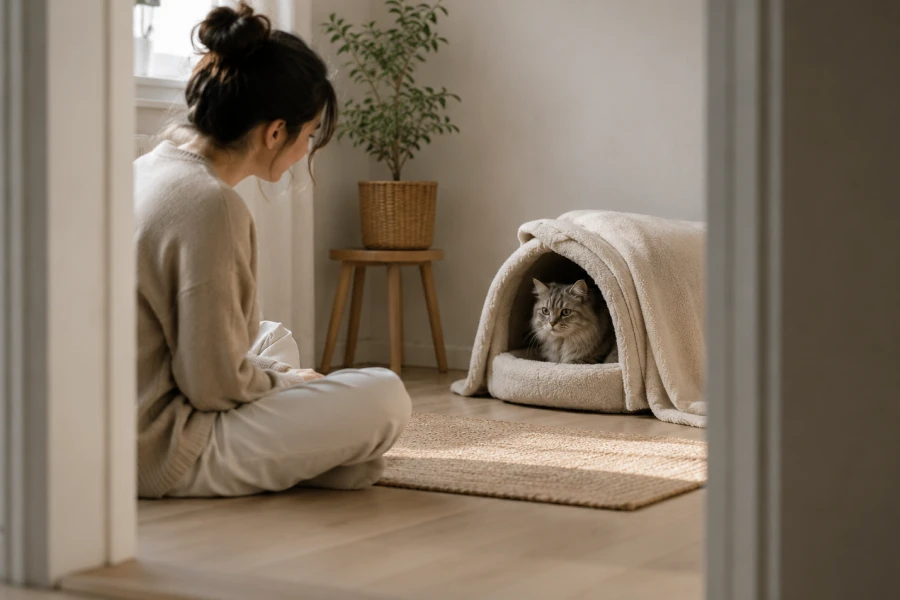
A nervous cat routine can help a sensitive cat feel safer through structure, patience, and predictable daily care. Nervous cats often struggle when life feels random. Loud sounds may trigger hiding. Guests may create tension. Small changes can feel enormous. A calm routine gives the day recognizable anchors. Food, play, rest, and affection become easier to predict. Predictability lowers emotional pressure. Your cat learns that the home has rhythm. Over time, that rhythm can support braver behavior.
Cats feel safer when they can anticipate what comes next. Sudden changes create uncertainty. Repeated patterns create trust. Start with feeding times. Add quiet play windows. Keep resting areas stable. A calming cat routine does not need to be strict. It should feel steady. Your cat notices repeated kindness. Those repeated moments become emotional landmarks. Safety grows through consistency.
Safe spaces matter deeply for anxious cats. A hiding spot can be healthy. It should feel private and accessible. Avoid dragging a cat out. Instead, make the area comfortable. Add soft bedding and familiar scent. Keep food and litter nearby when stress is high. A cat relaxation planner can help map those spaces. You can note where calm happens. Then you can protect that calm more carefully.
Nervous cats often communicate quietly. Watch the tail first. Notice ear position. Look for crouching, freezing, or sudden grooming. These signs can appear before hiding. Respond early when possible. Lower your voice. Reduce movement. Pause interaction. Give your cat distance. Trust improves when boundaries are respected. Over time, your cat may recover faster. Respect is part of emotional safety.
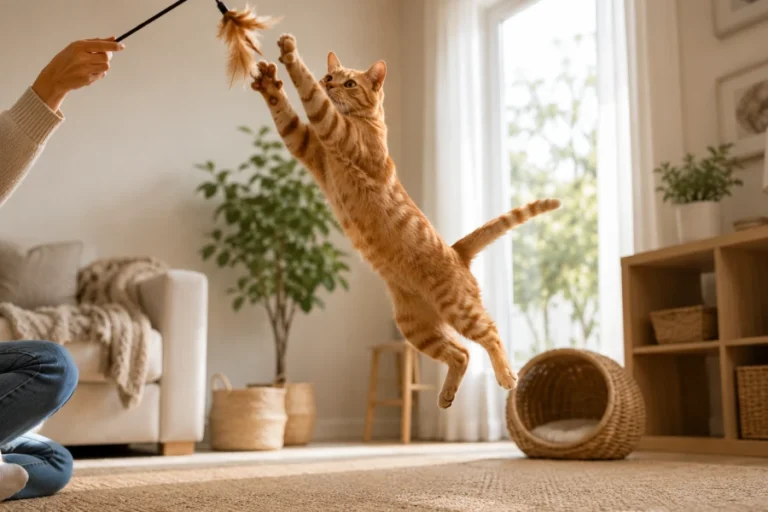
Interaction should feel invitational, not demanding. Sit near your cat without reaching. Let your cat approach first. Offer slow blinking. Use treats carefully. Keep sessions short and positive. A cat mood tracker can reveal which interactions help. Some cats relax after play. Others prefer quiet presence. Your notes make the routine more personal. Gentle confidence grows from repeated success.
You cannot remove every sound. You can soften many triggers. Close windows during loud outdoor work. Use predictable cleaning times. Move slowly around resting areas. Keep visitors from crowding the cat. Create vertical escape routes. Give your cat choices. Choices reduce trapped feelings. They also support independence. A calmer environment does not require silence. It requires thoughtful design.
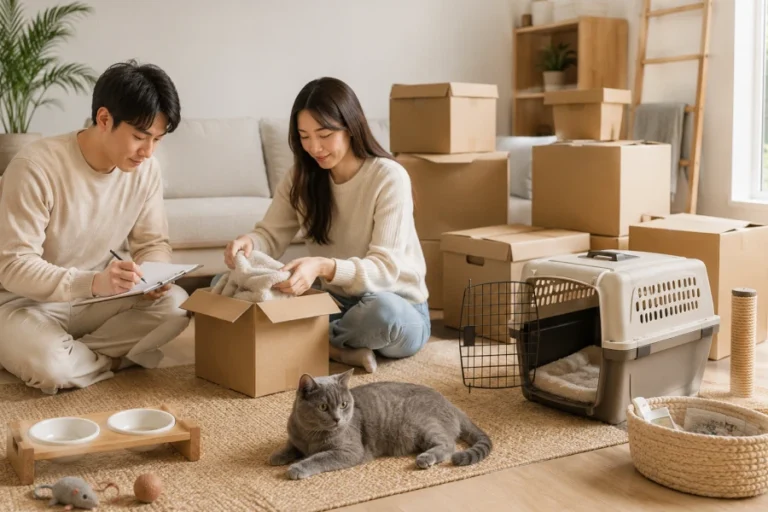
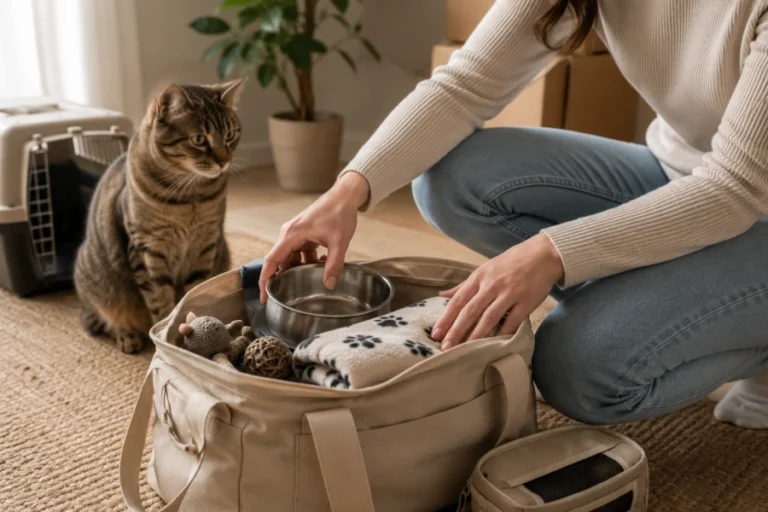
Life will still change sometimes. Furniture moves. Guests arrive. Travel happens. Flexibility protects progress during disruption. Keep core habits steady when possible. Feed at familiar times. Maintain one safe room. Use familiar blankets. Bring favorite toys into new situations. Return to normal gradually. Your cat does not need instant bravery. It needs reliable support during uncertainty.

Leave a comment