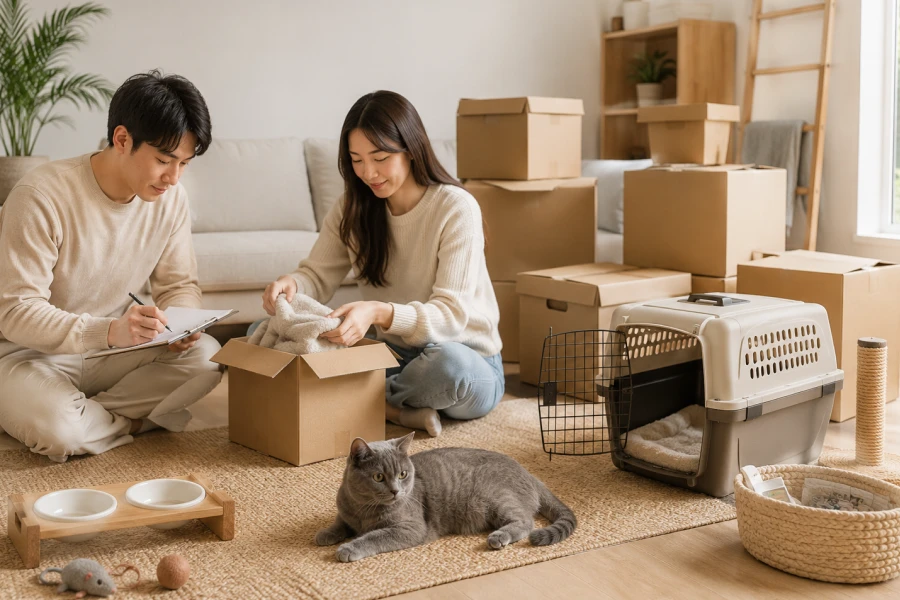
A pet moving plan helps families protect their animal’s comfort while packing, traveling, and settling into a new home. Moves can feel exciting for people. Pets often experience them as confusion. Boxes appear. Furniture disappears. Familiar smells change quickly. A thoughtful approach reduces that shock. It gives your pet stable routines during unstable days. Preparation also helps owners stay calmer. Calm owners make better choices. With structure, relocation becomes less overwhelming for everyone involved.
Preparation works best before boxes take over the home. Start with routines. Keep feeding and walks consistent. Choose one quiet pet area. Store familiar bedding there. A pet relocation planner can organize tasks by week. That prevents last-minute panic. Pets sense rushed energy. Early planning lowers that pressure. Your pet experiences fewer sudden changes. The move feels more controlled.
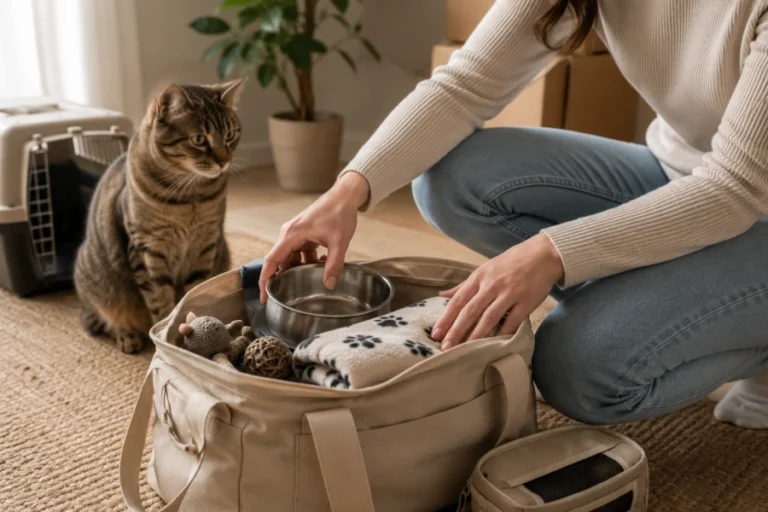
Scent matters deeply to animals. Familiar smells create comfort during uncertainty. Avoid washing every blanket before moving. Keep favorite bedding available. Pack one comfort bag separately. Include toys, food, medication, and bowls. A moving with pets checklist can keep essentials from disappearing into boxes. Label the bag clearly. Bring it in the car, not the truck. Easy access reduces stress quickly. Familiar items help the new place feel less strange.
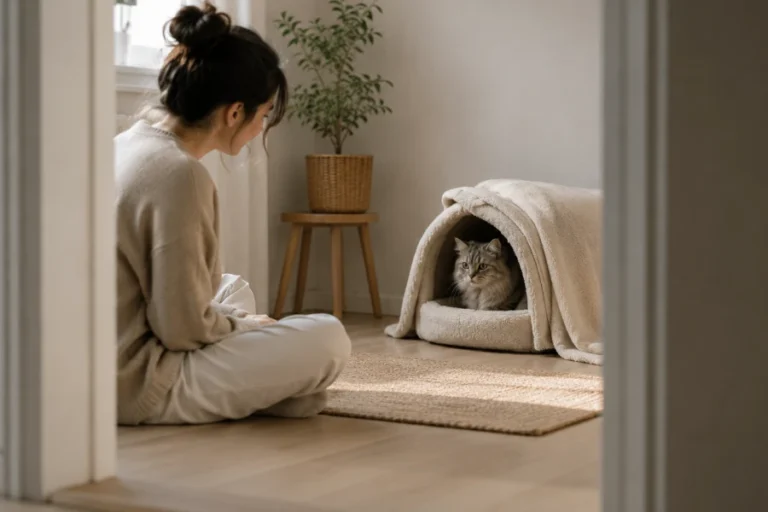
Moving day needs a protected zone. Pets should not wander near open doors. Noise and strangers can cause panic. Use one closed room when possible. Add water, bedding, and a litter box or pads. Tell movers not to enter. Place a sign if needed. Check the room calmly. Keep goodbyes low-key. A quiet setup prevents accidents. It also helps owners focus safely.
Travel can be the most stressful part. Secure carriers before the trip. Let pets explore them early. Add familiar bedding inside. Take short practice drives when useful. A stress-free pet move depends on safe transport. Never leave pets loose in a packed vehicle. Plan breaks for dogs. Keep cats contained. Bring water and cleaning supplies. Small preparations prevent major problems.
The first hours matter. Do not open the whole home at once. Start with one calm room. Add familiar items before releasing your pet. Let exploration happen gradually. Keep food and water easy to find. Watch for hiding or pacing. Avoid guests at first. Give your pet time. New spaces need repeated safe experiences. Confidence grows through slow discovery.
The move is not finished at the doorstep. Pets need adjustment time. Keep routines familiar for several weeks. Use the same feeding schedule. Maintain walks or play patterns. Avoid major furniture changes immediately. Watch appetite, sleep, and behavior. Contact a veterinarian if concerning signs persist. Small routines help the new home become predictable. Your pet needs reassurance after the boxes are gone. Continued structure makes settling easier.

Leave a comment