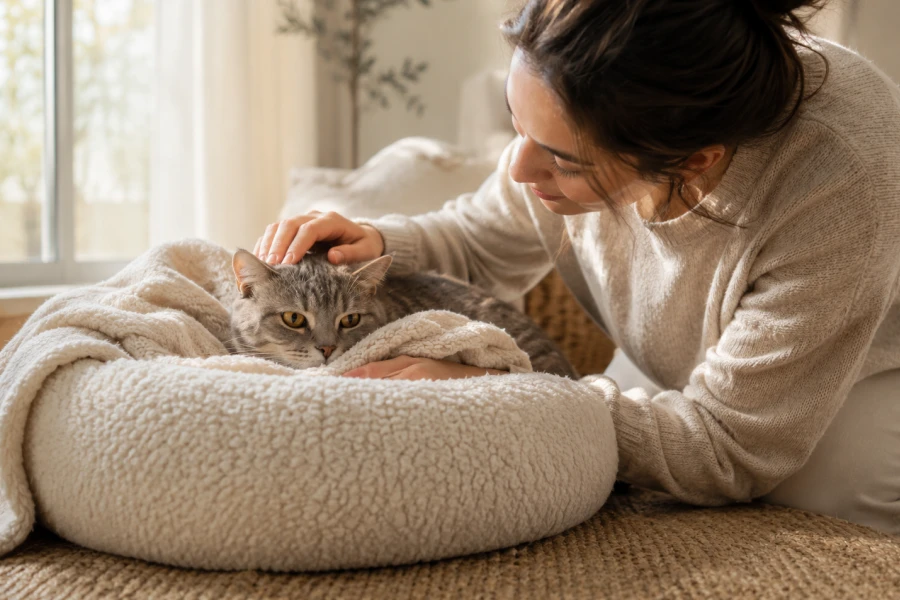
Cat anxiety relief often begins with small predictable moments that tell a nervous cat life is safe again. Many owners look for one dramatic solution. Cats usually respond better to repeated reassurance. A steady morning can matter. A quiet feeding corner can matter. A familiar blanket can matter. Together, these details create emotional structure. Stress becomes easier to understand. Your cat gains space to recover. Relief then grows from routine instead of pressure.
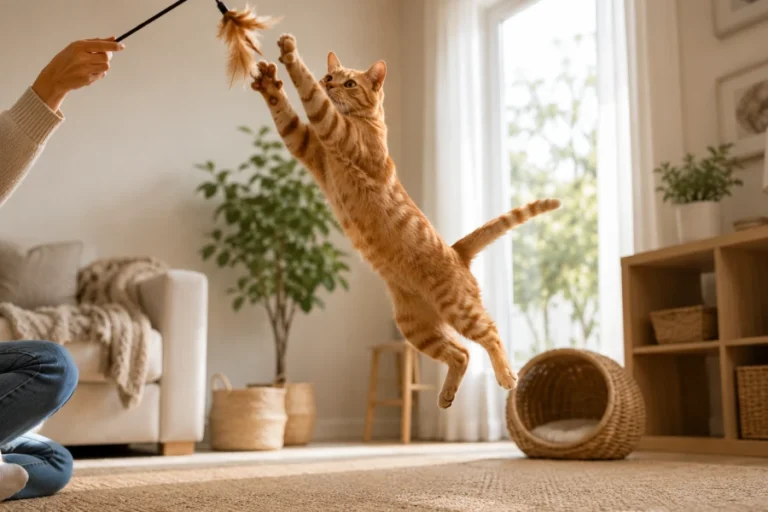
Anxious cats often react strongly to uncertainty. A daily rhythm makes the environment easier to read. Start with basics. Food, litter, rest, and play should feel stable. Then add gentle enrichment. A feline anxiety support plan works best when it fits real life. Do not chase perfection. Choose repeatable habits. Keep them calm and brief. Your cat learns through repetition. That learning can soften anxious responses.
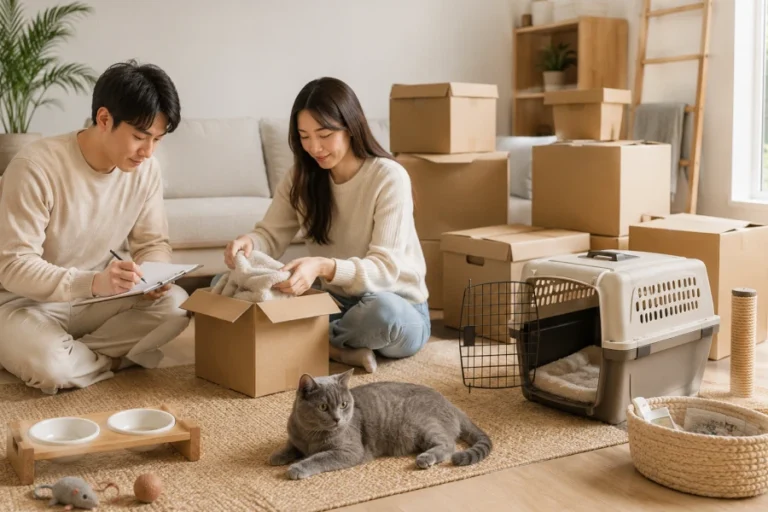
The environment shapes feline confidence. Harsh noise can heighten stress. Crowded rooms can feel risky. Unstable resources can create tension. Give your cat quiet paths through the home. Provide multiple resting zones. Add vertical space where possible. A feline stress planner can organize these changes. Focus on one improvement at a time. Your cat needs choice, not clutter. Comfort becomes stronger when the home feels navigable.
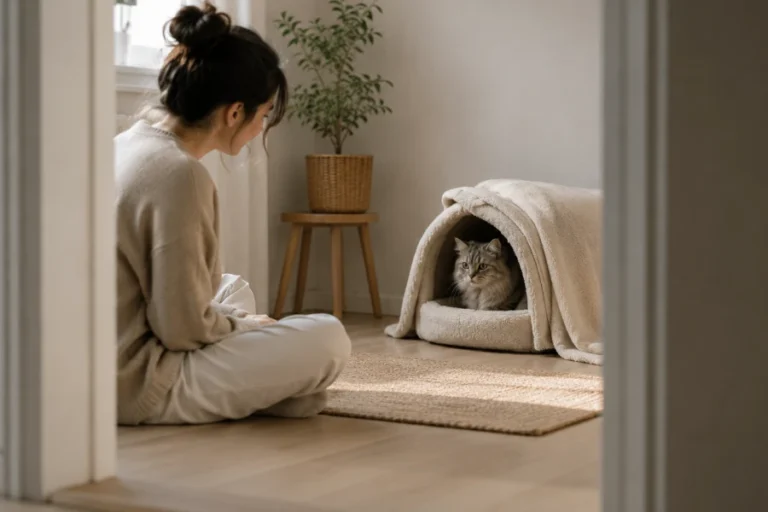
Anxiety often has a pattern. Some cats fear noise. Others fear strangers. Certain cats fear being cornered. Watch what happens before hiding. Notice rooms your cat avoids. Track which people or sounds cause tension. This information is valuable. It prevents random guessing. It also prevents unnecessary changes. You can support your cat more precisely. Better observation creates kinder solutions.
Calm interaction helps when it respects consent. Speak softly before approaching. Offer your hand from a comfortable distance. Stop if your cat retreats. Reward brave curiosity gently. Avoid sudden lifting. Keep petting brief. A cat behavior routine can make these interactions predictable. Your cat discovers that contact remains optional. Optional contact often becomes more welcome. Trust grows because pressure disappears.
Some stress signs deserve expert attention. Sudden aggression can signal pain. Litter box changes may need veterinary care. Appetite loss should not be ignored. Excessive hiding may require support. A veterinarian can rule out medical causes. A behavior professional can suggest targeted steps. Home routines still matter. They work best alongside informed care. Do not blame yourself. Seeking help is responsible pet care.
Progress may arrive quietly. Your cat may hide less often. It may recover faster after noise. It may sit closer during evenings. These changes matter. Keep routines steady after improvement appears. Avoid removing supports too quickly. Confidence can be fragile at first. Celebrate calm behavior without overwhelming your cat. Gentle patience protects the progress. A secure home grows through repetition.

Leave a comment