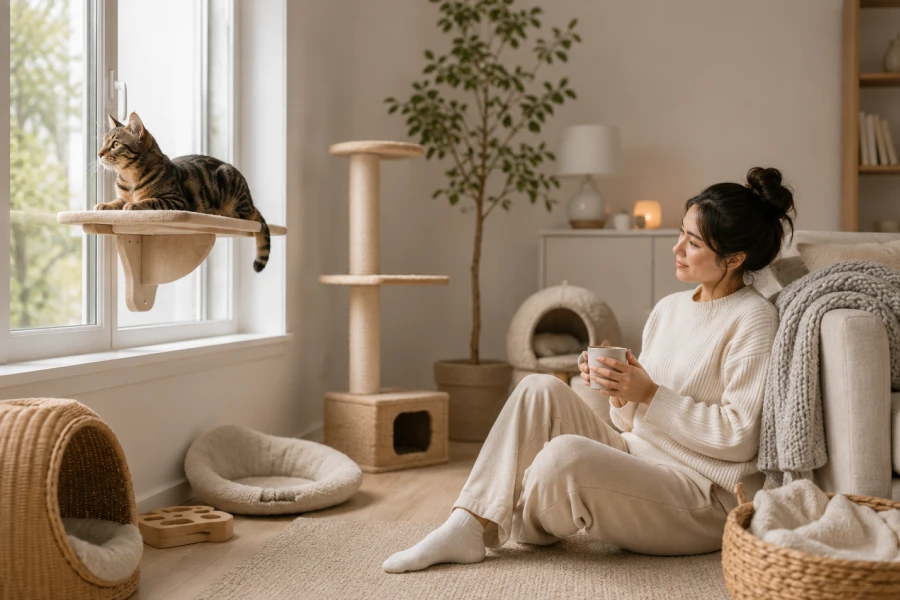
Feline stress management gives cat owners a practical way to reduce tension before it becomes a daily struggle. Stress can look different in every cat. One cat hides. Another scratches. A third becomes clingy. These behaviors are communication. They often say the environment feels uncertain. A calmer plan starts with observation. Then it builds predictable support. Your cat needs control, comfort, and time. When those needs are respected, the home can feel safer again.
You cannot improve what you do not notice. Begin by watching daily patterns. Track meals, hiding, vocalizing, grooming, and play. Notice what happens before stress increases. A cat stress reduction plan becomes stronger with real details. You may discover predictable triggers. You may also find hidden progress. Observation turns confusion into direction. It also keeps reactions measured. Your cat benefits from calmer decisions.
Resources influence stress more than many owners realize. Food bowls, water, litter boxes, beds, and scratchers all matter. Cats dislike competition around essentials. They also dislike feeling trapped. Place resources in calm locations. Offer more than one option when possible. A nervous cat care setup should reduce conflict. It should also support retreat. Better resource placement can change daily behavior. The home becomes easier to navigate.
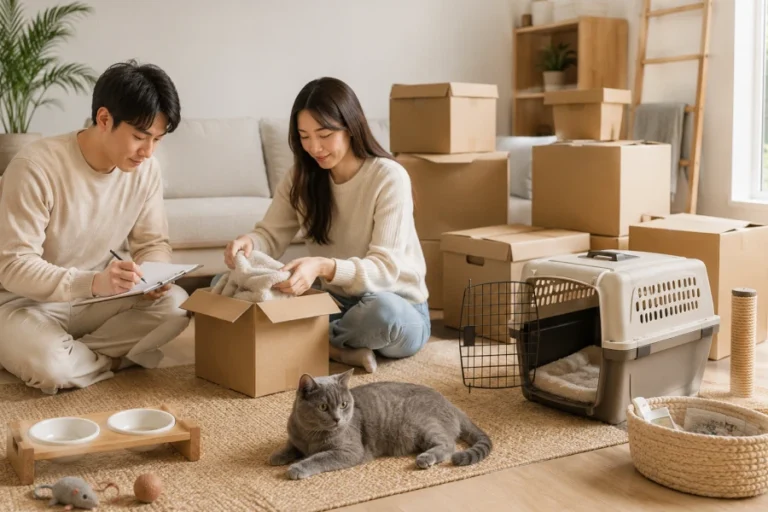
Stress often rises during ordinary events. Deliveries arrive. Vacuums run. Guests visit. Furniture shifts. These moments may seem minor to people. Cats can experience them intensely. Prepare a quiet room before disruptions. Add water, litter, and familiar bedding. Keep the door closed when needed. Use soft voices after the event. Let your cat reemerge naturally. Recovery time protects trust.
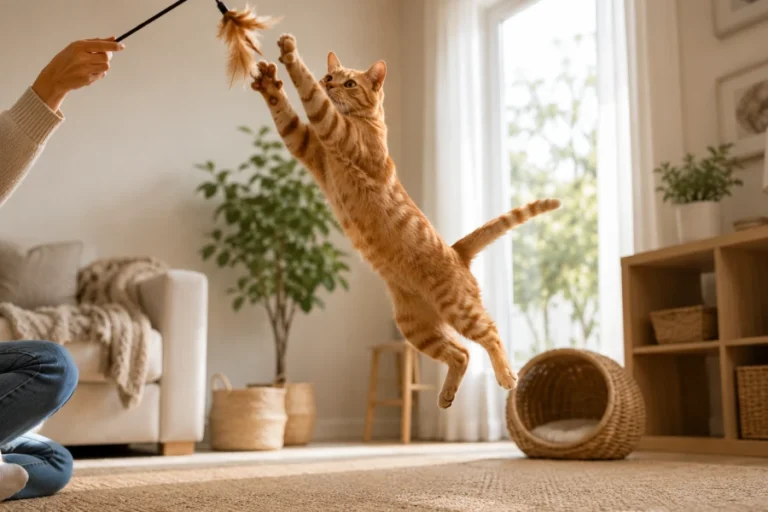
Routine helps because it creates expectations. Rigidity can backfire when life changes. Aim for steady anchors instead. Feed within a familiar window. Offer play at similar times. Keep bedtime calm. Use a pet relaxation routine to guide the week. Leave room for adjustment. Cats benefit from rhythm, not perfection. Owners benefit from simplicity. A practical routine is easier to sustain.
Multi-cat homes need extra thought. Each cat needs space. Shared resources can create hidden pressure. Add more resting areas. Separate food stations if needed. Watch doorways and hallways. These narrow places can cause blocking. Provide vertical escape routes. Avoid forcing friendship. Cats may coexist peacefully without cuddling. Respecting distance often improves harmony. Lower conflict means lower daily stress.
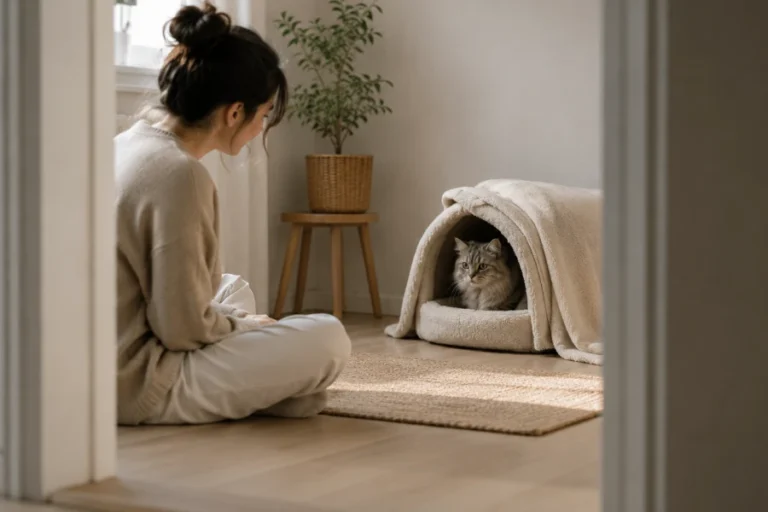
Progress may not look dramatic. A cat may stay in the room longer. It may groom less intensely. It may eat with better confidence. These signs deserve attention. Write down small improvements. Repeat what supports them. Remove changes that increase tension. Give each adjustment enough time. Calm grows slowly but meaningfully. Your patience teaches safety. That lesson can reshape the whole home.

Leave a comment