Stress free pet relocation begins with preparation that respects your pet’s senses, habits, and need for familiar structure. Moving is not just a human project. Pets experience every change through smell, sound, and routine. A hallway full of boxes can feel alarming. Strangers in the home can feel threatening. Empty rooms can feel unsettling. Planning early keeps those changes manageable. It also helps owners avoid rushed decisions. A calmer move starts before packing tape appears.
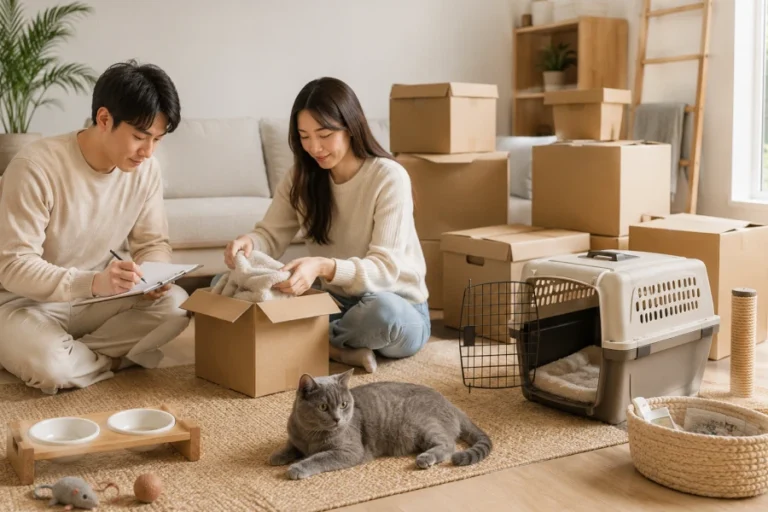
Early structure prevents the move from becoming one long surprise. Keep daily routines steady. Introduce boxes gradually. Leave familiar resting spots untouched at first. Use calm voices during packing. A pet transition plan can divide the process into manageable steps. That lowers owner stress too. Pets often mirror household tension. When the plan feels clear, everyone breathes easier. Predictability becomes a protective tool. The home stays emotionally steadier.
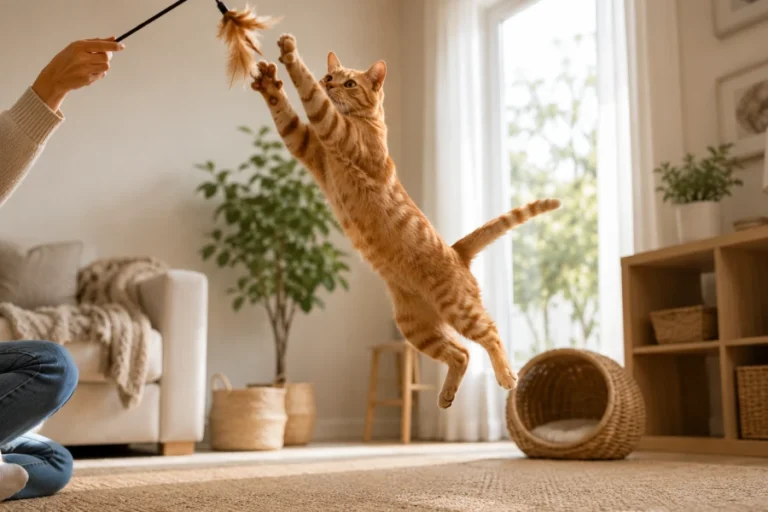
Routine changes should happen slowly when possible. Move feeding bowls only when necessary. Keep sleeping areas stable until late. Maintain walk times for dogs. Preserve play sessions for cats. A relocation pet routine helps track what should stay consistent. Small anchors matter during large transitions. They tell pets the world has not vanished. Stability gives them emotional footing. That footing reduces nervous behavior.
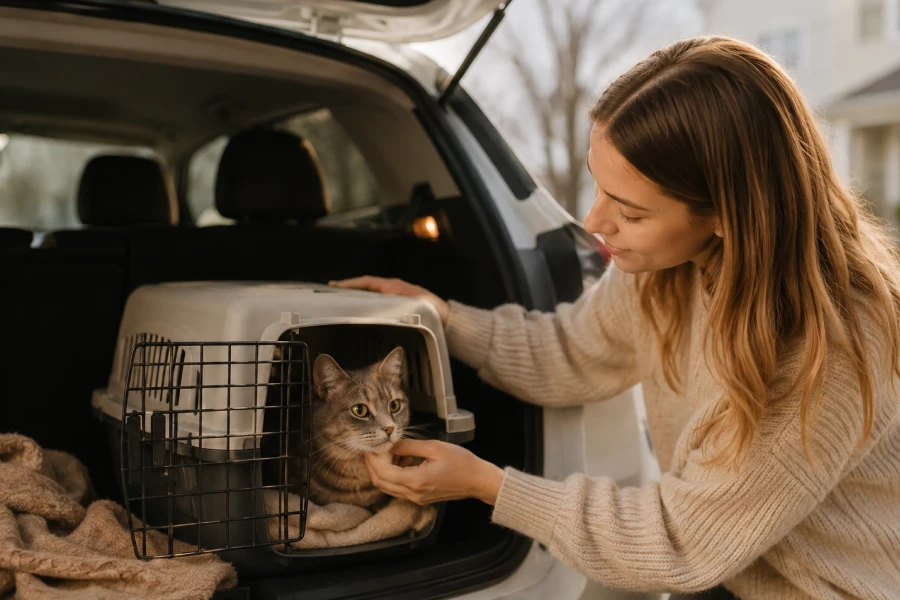
Travel gear should feel familiar before moving day. Place carriers in living areas early. Add soft bedding inside. Offer treats near the entrance. Never use the carrier only during stressful moments. Practice short, calm sessions. Dogs may benefit from crate refreshers. Cats may need slower exposure. Check all closures carefully. Replace damaged gear before the trip. Safe equipment protects both comfort and security.
Moving day should be simple for pets. Choose one secure holding area. Keep doors closed. Add water and familiar items. Limit visitor access. Use calm check-ins. A pet moving day plan can prevent missed steps. It also reminds helpers about boundaries. Pets should not navigate open doors and heavy traffic. Safety must come before convenience. A protected space reduces risk immediately.
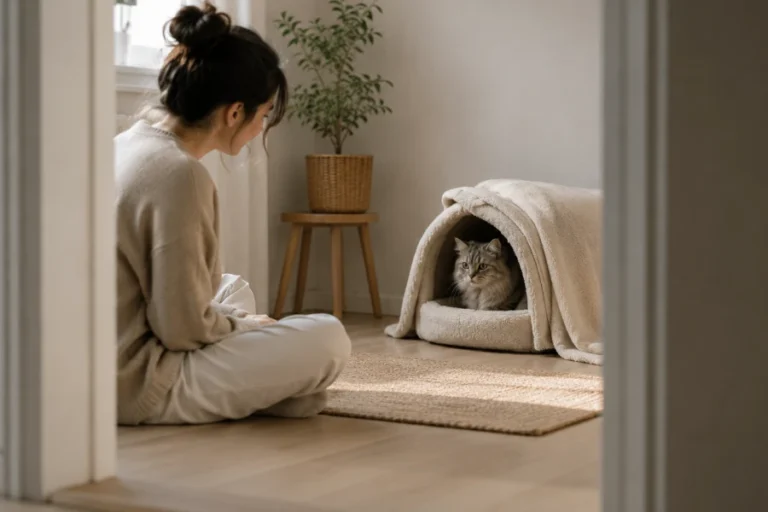
The new home needs a gentle introduction. Set up your pet’s first room before arrival. Add familiar scents first. Keep the space quiet. Let your pet explore one area. Avoid forcing interaction. Keep meals simple. Watch for stress signs. Expand access slowly. Familiar routines should resume quickly. Your pet needs time to rebuild confidence. Gradual settling protects emotional recovery.
Progress may look small at first. A pet may eat normally again. It may nap in the open. It may play for a few minutes. These signs show adjustment. Do not rush the process. Keep comfort items available. Continue normal routines. Reduce extra visitors when possible. Contact a veterinarian if severe stress continues. Most pets need patience, not pressure. A steady home helps them feel secure again.

Leave a comment