
A feline activity tracker helps cat owners see patterns that are easy to miss during a busy week. Indoor cats often seem fine because they sleep often. Yet long sleep can hide low stimulation. Rest is normal, but boredom is different. Tracking play shows what truly happens. You may notice skipped sessions. You may see certain toys winning every time. Small details become useful evidence. Better evidence leads to better choices. Your cat benefits from a routine shaped by observation, not guesswork.
Most owners remember dramatic behavior. They forget ordinary patterns. Tracking brings those patterns forward. It shows how often play actually happens. It also shows what type of play works. A simple indoor cat activity record can expose quiet gaps. Maybe weekends are strong. Maybe weekdays need support. Perhaps evenings work better than mornings. Once you see the rhythm, improvement feels easier. Data becomes practical, not overwhelming.
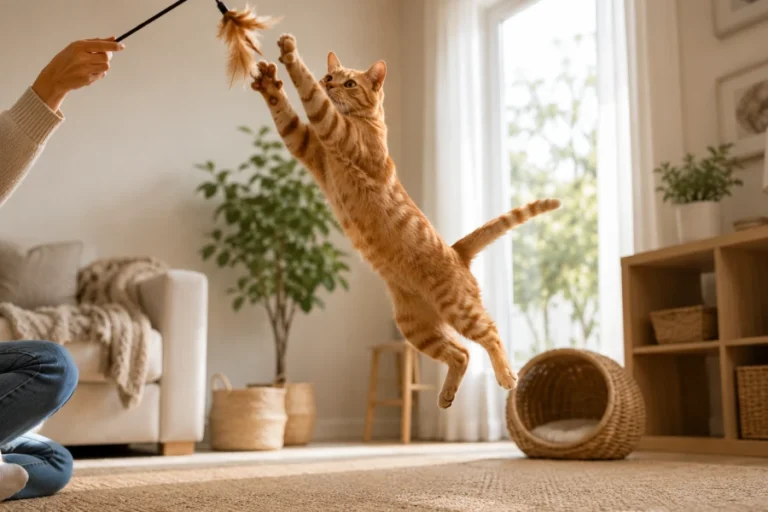
Preference matters because cats are selective. One cat may love tunnels. Another may ignore them completely. Some cats chase feathers with passion. Others prefer rolling toys. Tracking reveals these preferences clearly. A record of cat enrichment ideas helps you compare results. Note the toy, time, and response. Add mood observations when useful. Patterns appear after several days. Those patterns prevent wasted effort.
Cats often have predictable energy waves. Dawn and dusk are common active periods. Some cats adapt to household schedules. Others remain strongly crepuscular. Watch when your cat initiates movement. Notice when play feels forced. Quiet windows deserve respect. Energy peaks deserve opportunity. You do not need constant entertainment. You need better timing. Good timing makes short sessions feel larger. It also reduces frustration for both sides.
Enrichment works best when matched to behavior. A restless cat may need chase games. A cautious cat may need puzzles. A food-motivated cat may enjoy treat hunts. A social cat may prefer owner-led play. Tracking supports AI-assisted pet planning when owners want organized suggestions. The notes give useful context. The plan becomes more personal. Your cat gets variety that actually fits. That makes enrichment feel sustainable.
Weekly review keeps tracking useful. Look for missed sessions first. Then check your cat’s strongest responses. Remove toys that create no interest. Bring back favorites at smart intervals. Add one new challenge at a time. Avoid changing everything at once. Cats appreciate familiar structure. Small adjustments are easier to read. You can repeat what works. Progress becomes visible because the plan stays simple.
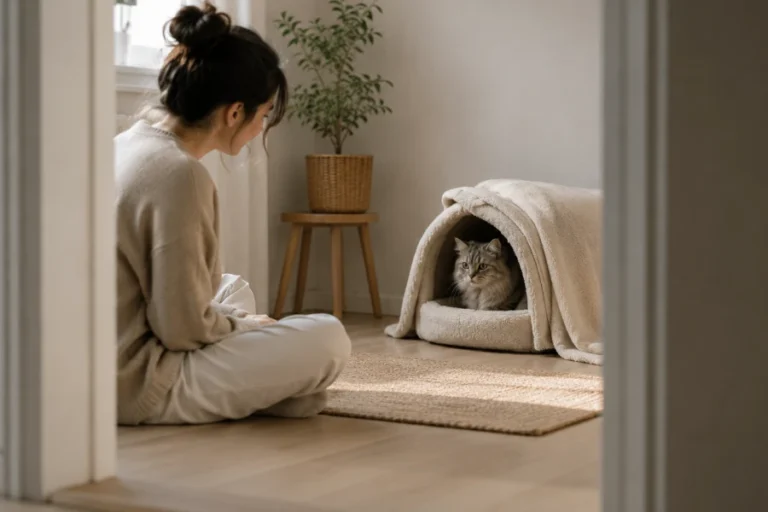
Tracking should reduce stress, not create it. Use brief notes. Avoid perfectionism. A few marks per day can help. Record what matters most. Energy, mood, toy choice, and duration are enough. Skip complicated scoring unless you enjoy it. The point is awareness. Your cat does not need a rigid program. It needs responsive care. When tracking stays light, it becomes a friendly tool.


Leave a comment